I was abducted without a warrant and kept blindfolded for three months, says Champika Ranawaka
25-Oct-2026.
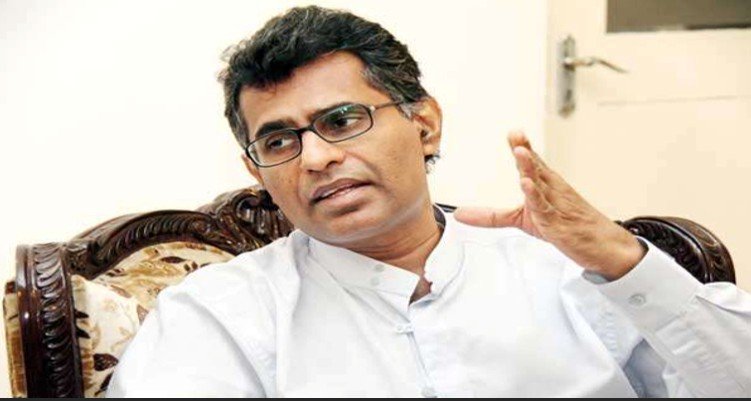
Patali Champika Ranawaka, leader of the United Republic Front, has stated that he was abducted in the Castle Street area on 12 October 1989 without a lawful court warrant and released three months later with his eyesight severely impaired after being kept blindfolded throughout his detention.
He also pointed out that the Government has now introduced a new Bill to protect the State from terrorism, along with legislation to prevent organised crime. Those who came to power by highlighting the suffering of the people and the plight of the disappeared should not introduce harsh laws merely to retain their hold on power, he said.
He made these remarks while addressing a media briefing held in Colombo on October 23.
Elaborating further, he said:
The present Government has introduced a new Bill to protect the State from terrorism, as well as a Bill to prevent organised crime. In its election manifesto, the current Government had pledged to repeal repressive laws, including the Prevention of Terrorism Act, and protect the people's civil rights, freedoms, human dignity and democracy. However, the Bills now being proposed have revived fears because they bring back memories of past experiences.
The Government must explain why further legislation is necessary when the country already has criminal laws, established legal procedures and security legislation.
On 12 October 1989, I was abducted on Castle Street without any lawful complaint or court warrant. Subsequently, I was detained and tortured along with several others from the Faculty of Law at the University of Colombo.
Our eyes were kept blindfolded for three months. As a result, my eyesight was severely affected. We were released only in early 1990 so that we could sit our university examinations.
This is not something I have heard from others. It is an experience from my own life.
The younger generations, particularly Generation Z and Generation Alpha, must never be subjected to the suffering we endured. Those who came to power by highlighting the suffering of the people and the plight of the disappeared should not introduce harsh laws to retain their power, he said.