No electricity tariff increase required for next quarter: Minister Anura Karunathilaka
12-Sep-2026.
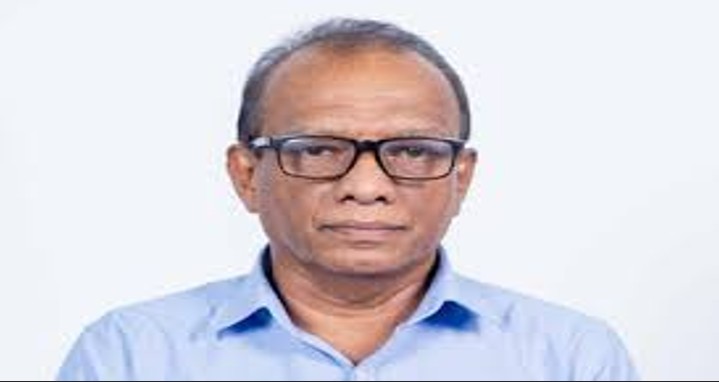
The cost of electricity generation has been brought under control to some extent due to the higher-than-expected rainfall received recently. Therefore, there is no need for an increase in electricity tariffs for the next quarter, Minister of Energy, Ports and Civil Aviation Anura Karunathilaka said.
He made these remarks in response to questions raised by Kurunegala District MP Dayasiri Jayasekara of the Samagi Jana Balawegaya during Question Time in Parliament on 11 September.
Speaking further, he said:
“Due to the higher rainfall received during the recent period, we have been able to control the cost of electricity generation to some extent. Therefore, there is no need to increase electricity tariffs for the next quarter. Accordingly, we do not expect to make a request for an electricity tariff increase.
“Necessary measures have already been taken to ensure an uninterrupted electricity supply during the first three months of the coming year. The Ministry of Energy has taken appropriate action in this regard.
“Since rainfall has been higher than anticipated, we have been able to control the cost of electricity generation to some extent. Accordingly, we do not expect to make a request for an electricity tariff increase in the next quarter under any circumstances.
“He further stated that the Government is preparing to provide concessions on batteries used for renewable energy storage. Initially, these concessions will be provided for systems with a capacity exceeding 100 kilowatts.
“Sri Lanka’s renewable energy generation is currently showing significant progress. Between 60 and 70 per cent of electricity generation is currently obtained from renewable sources.
“Approximately 2,500 megawatts are generated through rooftop solar power systems, while ground-mounted solar projects generate 530 megawatts and wind power generation accounts for more than 250 megawatts. Together, these sources account for more than 40 per cent of total electricity generation.
“We acknowledge the challenges facing the sector, including delays in obtaining approvals for solar power projects, difficulties in acquiring land and problems in connecting new power-generation systems to the national grid. Appropriate measures have been taken to address these issues.
“To sustain the growth of renewable energy generation in Sri Lanka, it is extremely important to introduce battery storage systems with proper standards while also resolving these challenges,” he said.