Government Urged to Hold Talks with US and Iranian Embassies Over 19 Iranian-Flagged Ships
05-Oct-2026.
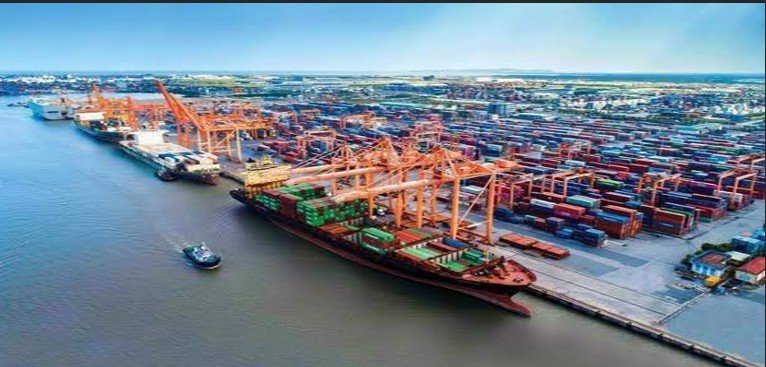
The Sri Lanka Freight Forwarders Association has urged the government to hold immediate talks with the US and Iranian embassies to resolve the diplomatic challenges posed by 19 Iranian-flagged ships anchored just outside Sri Lanka’s maritime boundary.
Association Secretary Ibnam Kaboor said the government should act without delay to find an appropriate solution through diplomatic negotiations with both countries.
He made these remarks at a press conference held in Colombo on October 3, 2026.
According to Kaboor, the presence of the 19 vessels has placed Sri Lanka in a difficult position. On the one hand, international humanitarian principles impose an obligation to provide the ships with essential supplies. On the other, Sri Lanka faces pressure to withhold such assistance amid concerns over its economic relations with the United States.
Reports from the US indicate that Washington could impose economic sanctions on Sri Lanka if the government provides assistance to the Iranian vessels.
Sri Lanka is already grappling with a severe economic crisis and will have to begin repaying its debts next year, increasing its need for foreign exchange reserves. US sanctions under these circumstances could seriously damage the country’s export sector, Kaboor warned.
He said hundreds of crew members were aboard the 19 ships, with each vessel carrying between 25 and 30 people. Sri Lanka could not simply remain a bystander if the crew faced threats to their lives or other humanitarian difficulties.
Kaboor also highlighted the impact of changes to shipping routes on Sri Lanka’s trade. In the past, vessels operated by the Iranian shipping company IRISL sailed directly to Sri Lanka under the Iranian flag. However, the routes have since been altered, with the ships now travelling directly to India.
This change has adversely affected Sri Lanka’s imports, including fertiliser and bitumen, as well as its exports of tea and coconut-based products. Iran accounts for a significant share of Sri Lanka’s export market, he said.
With goods now being routed through India, shipping charges have doubled. Container costs that previously stood at US$50–60 have risen to US$100, placing further pressure on the country’s foreign exchange reserves.
He added that when commercial vessels call at Indian ports instead of Sri Lankan ports, Sri Lanka loses the shipping-related revenue those vessels would otherwise generate. If India can attract these vessels, Sri Lanka should also be able to do so, he argued.
Kaboor stressed that the government must act swiftly and engage in constructive diplomatic discussions with both the United States and Iran, avoiding antagonising either country while working towards a suitable resolution.