Sajith Calls for Tax Relief in 2027 Budget
05-Oct-2026.
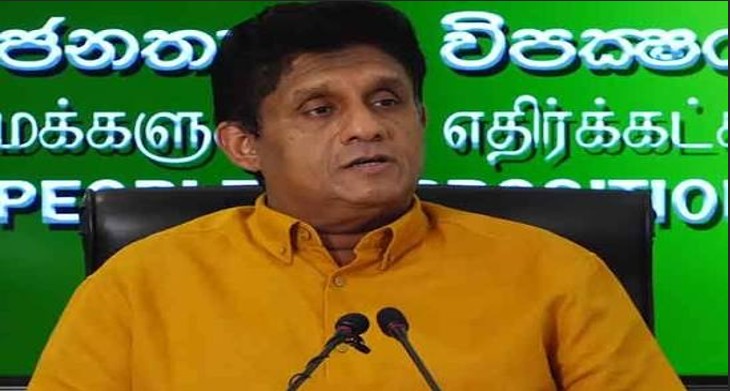
Opposition Leader Sajith Premadasa has urged the government to introduce tax concessions in the 2027 Budget, stating that tax collections have exceeded targets and surpassed the levels stipulated by the International Monetary Fund (IMF).
He made the remarks while speaking to the media after visiting a book exhibition organised by the Sri Lanka Book Publishers’ Association at the Bandaranaike Memorial International Conference Hall.
Premadasa stressed that improving literacy was essential to the country’s development. Reading books and pursuing self-directed learning were just as important as education obtained through formal institutions.
However, he said, publishing houses were facing several serious challenges, while the publishing and printing industries were struggling with rising costs.
Books and stationery are subject to Value Added Tax (VAT) of up to 18 per cent, he noted, calling for the removal of VAT on these products and a review of the applicable VAT threshold.
The cost of equipment, printing materials and paper had also risen considerably. Since only a limited section of society had access to digital resources, he argued that taxes, including VAT on books, should be removed to support and strengthen the publishing industry.
With the Budget scheduled to be presented on November 12, the government should prioritise tax concessions to promote the development of the publishing and printing sectors, he said.
Premadasa added that ordinary citizens were already struggling under a heavy tax burden. As tax revenue had exceeded targets and the levels specified by the IMF, the government should provide relief through the Budget and adopt a social-democratic approach.
He also called for the development of a knowledge-based economy and appropriate policy interventions to strengthen the sector. The government, he said, should protect the publishing industry when in power just as it had advocated doing so while in opposition.
Premadasa urged the government to address the challenges facing the book publishing industry, taking into account the literacy and educational needs of children, young people and the country’s entire population of 22 million.