Canadians open to alternative housing, but builders face barriers: report
30-Sep-2026.
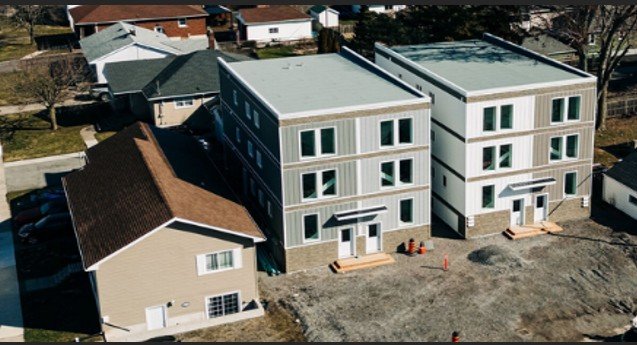
Meridian Credit Union’s latest housing research points to a gap between the types of homes Canadians need and the industry’s ability to deliver them, with financing constraints, skilled-trades shortages and rising construction costs among the barriers facing builders.
New national research commissioned by Meridian shows why this work is needed. Nearly eight in 10 Canadians consider housing attainability, critical to the country’s future, and many are open to alternatives such as modular and prefabricated homes, co-ownership and rent-to-own programs. Builders are also facing barriers, including limited access to financing, skilled-trades shortages and rising construction costs.
The Meridian Housing Attainability Report examines the gap between the homes Canadians need and the housing industry’s ability to deliver them. It also identifies practical opportunities for lenders, builders, governments and community partners to work together to increase supply and expand access to home ownership.
A total of 77 per cent of Canadians view housing attainability as a critical issue for Canada’s future, while 62 per cent would consider non-traditional housing options such as modular, prefabricated or tiny homes.
Additionally, 79 per cent of builders say there is a mismatch between what the industry is building and what Canadians need, while 63 per cent of builders report difficulty securing project financing and 78 per cent of builders are affected by skilled-trades shortages.
According to the report, willingness to adapt is reaching the construction sector. Nearly half of builders surveyed report growing interest in alternative housing options, yet 79 per cent say there is a mismatch between what the industry is building and what Canadians need.
Meridian describes Canada’s housing challenge is both a supply challenge and a delivery challenge, requiring financing, skilled labour, infrastructure, approvals and collaboration across the housing ecosystem.
Builders are also facing barriers to increasing supply. Nearly two-thirds report difficulty securing project financing, while 78 per cent are affected by skilled-trades shortages. Six in 10 say rising construction costs have made affordable starter homes financially unviable. Among larger construction firms, skilled labour shortages rise to 94 per cent.
The report identifies several priorities, such as expanding access to project financing, addressing skilled-trades shortages, supporting alternative housing models, improving collaboration between governments, builders and lenders, and increasing housing supply across ownership and rental categories.
Meridian notes that improving housing attainability requires collaboration across the housing sector. As a result, it is working with homebuyers, builders and community partners to help increase housing supply and create more pathways to homeownership through financing solutions and targeted programs. This includes the Reframe Program, Meridian’s social impact initiative that supports Ontario’s skilled trades workforce through training, paid work experience, financial confidence coaching and pathways to employment.