Risk of Losing USD 50 Million Monthly – Tea Exporters’ Association
17-Mar-2026.
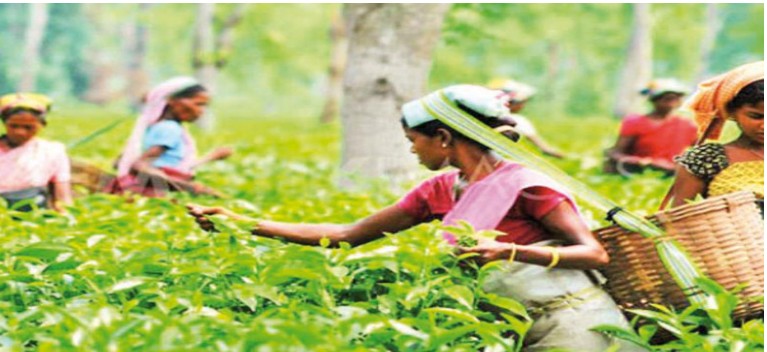
Sri Lanka’s tea exports to the Middle East have been severely affected by ongoing conflicts in the region, creating a risk of losing approximately USD 50 million in monthly revenue, according to the Sri Lanka Tea Exporters’ Association.
The association stated that due to reduced exports to Middle Eastern countries, the country is already losing between USD 10 million and USD 15 million per week.
According to 2025 statistics, Sri Lanka exported around 125 million kilograms of Ceylon tea to the Middle East, generating approximately USD 750 million in revenue.
Major importing countries in the region include Iraq, Iran, Libya, Turkey, Saudi Arabia, Syria and the United Arab Emirates.
Although tea can still be exported by sea, many buyers in these countries have temporarily suspended imports due to sharply rising shipping costs.
Exporters have already received several orders for tea shipments, but logistical challenges and war-related risks have created obstacles in fulfilling them.
Key maritime trade routes to the Middle East pass through the Strait of Hormuz and the Suez Canal. Although there are no major blockages in the Suez Canal, security concerns have prevented these routes from being used as major shipping lanes, significantly disrupting tea exports.
At the early stage of the conflict, some ports in the region were temporarily closed. While limited shipping services resumed from 4 March, freight costs have risen sharply.
Current shipping charges are approximately:
• USD 1,800 for a 20-foot container
• USD 3,000 for a 40-foot container
The association warned that if the conflict continues for several more weeks, it could significantly affect the tea auction market as well. Reduced tea purchases could directly impact the income of small-scale tea estate owners.
Meanwhile, Sri Lanka earned USD 121.8 million from tea exports in January 2026, representing a 5 percent increase compared to January 2025.
Statistics for February 2026 are not yet available, but the association expects figures to be similar to or higher than last year.