Why do two people gain weight differently despite eating the same food?
11-Jun-2026.
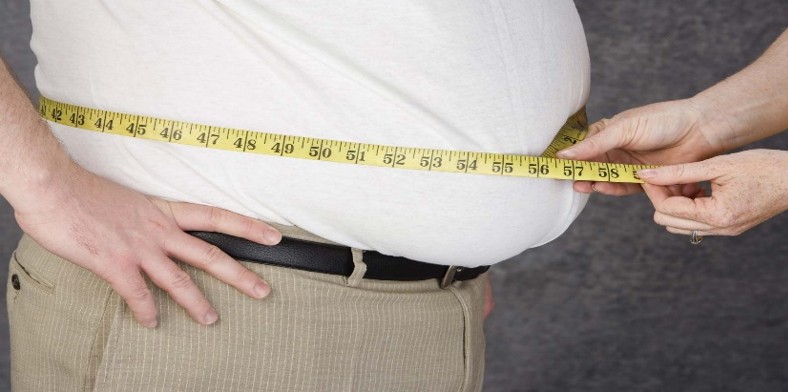
While diet remains a major factor in body weight, research shows that calories alone do not tell the whole story.
Studies suggest that weight gain is influenced by a combination of biological, genetic and lifestyle factors. This means that two people eating roughly the same amount of food may not process, store or burn those calories in the same way.
According to health experts, obesity is linked to a higher risk of several serious conditions, including type 2 diabetes, heart disease, high blood pressure, fatty liver disease and certain cancers. This has led researchers to investigate why some people are more likely to gain weight than others.
Research has shown that hormonal imbalances can make it harder for some people to control appetite, increasing the likelihood of overeating over time.
Studies show that metabolism is affected by age, sex, muscle mass, genetics and thyroid function. People with more muscle generally burn more calories, even when resting. As a result, two individuals of the same weight may have different daily calorie requirements.
Research published in Nature Genetics suggests that genetic factors can affect how the body stores fat, regulates hunger and uses energy. While genes do not determine destiny, they can make weight management more challenging for some people.
Research has found that certain gut bacteria may be linked to increased fat storage and changes in appetite regulation. Although scientists are still exploring this area, evidence indicates that gut health could play a role in long-term weight management.
Sleep deprivation may also lower energy levels, making people less physically active during the day. Over time, these effects can contribute to gradual weight gain.