We Reject Evidence-Gathering Mechanism: Sri Lanka Tells UNHRC
09-Sep-2026.
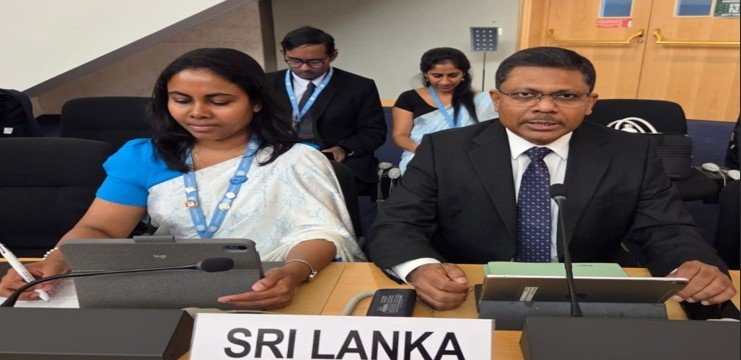
Sri Lanka rejects any external mechanism, including the evidence-gathering mechanism being operated by the Office of the UN High Commissioner for Human Rights to collect evidence relating to past violations, Sri Lanka’s Permanent Representative in Geneva Sumith Dissanayake told the UN Human Rights Council.
He said such mechanisms would create divisions and weaken national processes, while urging the Council to support a domestic mechanism aimed at achieving reconciliation and prosperity.
At the 63rd session of the UN Human Rights Council in Geneva on September 8, Deputy High Commissioner for Human Rights Nada Al-Nashif presented the written report of High Commissioner Volker Türk on progress in promoting reconciliation, accountability and human rights in Sri Lanka.
Responding to the matters raised in the report, Permanent Representative Sumith Dissanayake, speaking on behalf of the Sri Lankan Government, said the Government had taken note of the High Commissioner’s written report on Sri Lanka.
He said the Government continued to engage with the UN Human Rights Council in a transparent and cooperative manner while emphasising the importance of a nationally driven domestic mechanism.
Dissanayake also said that two years had elapsed this month since the Government led by President Anura Kumara Dissanayake assumed office and that, despite several challenges, including Cyclone Ditwah and the global crisis, the country had recorded economic growth last year.
He said Sri Lanka categorically rejected the external evidence-gathering mechanism being implemented under UN Human Rights Council Resolution 60/1.
“We completely reject the external mechanism for gathering evidence under Resolution 60/1, as this process polarises communities and creates divisions within the country,” the Sri Lankan representative said.
However, he pointed out that progress had been made in investigations into key cases in line with commitments already given.
He said the Prevention of Terrorism Act was being repealed and a new Bill intended to replace it had been published in the Gazette and would be presented to Parliament next month.
He further said that amendments required to the Online Safety Act had been fully completed.
He added that the Office on Missing Persons, Office for Reparations and Office for National Unity and Reconciliation were functioning according to their respective mandates.
Dissanayake also said necessary measures were being taken to bring back to Sri Lanka persons who had travelled to India during the period of the domestic conflict without proper documentation or through irregular means.
He said the Government was also taking progressive steps, for the first time, to address the issues faced by the hill-country community.
Rejecting any external mechanism, including evidence gathering, he said such mechanisms would create divisions and weaken national processes. He urged the Council to support a national mechanism aimed at achieving reconciliation and prosperity.