UN Special Rapporteur warns government over proposed judicial retirement age changes
16-Aug-2026.
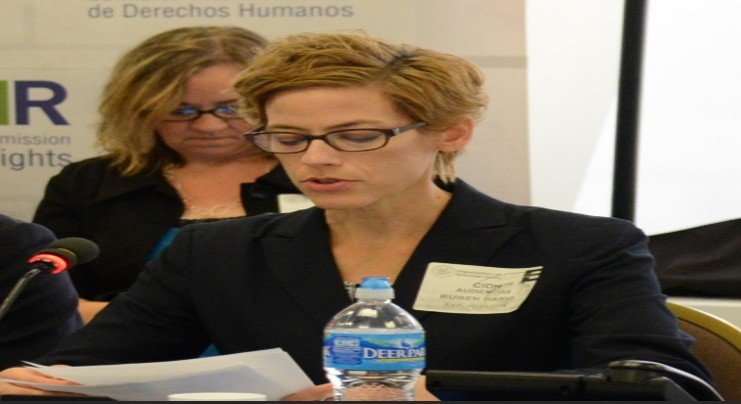
Any amendment concerning the retirement age of judges must be carried out transparently and through consultations involving all stakeholders, UN Special Rapporteur on the Independence of Judges and Lawyers Margaret Satterthwaite has told the Sri Lankan Government.
She warned that changes introduced without proper consultation could undermine the independence of the judiciary and public confidence in it.
The proposed 22nd Amendment to the Constitution, which seeks to increase the retirement age of judges of the Supreme Court and Court of Appeal by two years, was gazetted on August 7.
Against this backdrop, UN Special Rapporteur Margaret Satterthwaite sent a letter to the Sri Lankan Government last week expressing serious concern over the proposal.
In the letter, she warned that the government’s move could undermine judicial independence and public confidence in the judiciary.
She also pointed out that the substance of the proposed amendment to extend the retirement age of Supreme Court and Court of Appeal judges does not appear to be consistent with international human rights standards concerning judicial independence and the right to a fair trial.
Under the proposal, the retirement age of Supreme Court judges would be increased from 65 to 67, while the retirement age of Court of Appeal judges would be increased from 63 to 65.
However, the Special Rapporteur expressed concern that the changes would apply not only to judges appointed in the future but also to judges currently serving on the bench.
She acknowledged that extending the retirement age of judges could be justified on grounds such as preserving judicial expertise and ensuring institutional continuity.
Nevertheless, she stressed that, given the judiciary’s role in reviewing the actions of the executive and legislative branches, constructive debate and broad consultations are essential when considering amendments that could affect judges’ tenure.
She further pointed out that although the judges who would benefit from the amendment had not been expressly identified, its application would have the effect of extending the tenure of sitting Supreme Court and Court of Appeal judges.
“In the absence of transitional provisions, the amendment could give rise to the perception that it is intended to alter the structure of the judiciary for other purposes,” she said.
Against this backdrop, the UN Special Rapporteur stressed that any amendment concerning the retirement age of judges must be introduced transparently and through consultations involving all stakeholders.
She warned that, in contrast, changes introduced without proper consultations could pose a serious threat to the independence of the judiciary.