Animal Sacrifice Should Be Avoided During Vesak Week: Gnanasara Thera
26-Apr-2026.
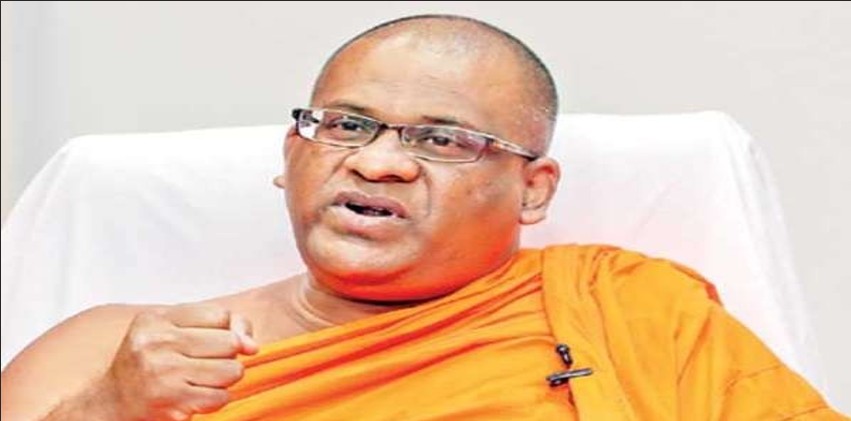
Ven. Galagoda Aththe Gnanasara Thera has urged the Government to engage in discussions with Islamic religious leaders to reach a decision on avoiding the slaughter of cattle or other animals during the sacred Vesak week, warning that such practices may lead to unnecessary social tensions.
Speaking at a media briefing held in Colombo on 25 April, he stated that Muslims celebrate the Haj festival with great anticipation, followed by the three-day Ayyamul Tashreeq period, during which animal sacrifice is carried out as an act of devotion to Allah. He said this practice is followed in remembrance of Prophet Ibrahim’s sacrifice, and has traditionally involved cattle, goats or camels.
However, he noted that in past years such events have contributed to unrest in various parts of the country. He recalled that in 2013, a letter sent to the Kolonnawa Urban Council by the then Western Province Governor Alavi Moulana referred to animal slaughter as a “meritorious act,” and that he still possesses that document.
He stressed that Vesak week is an especially important time for Buddhists, during which people engage in almsgiving, erect pandals, and follow Buddhist religious observances. According to the Islamic calendar, the main day of Haj is expected to fall on 30 May this year, while Vesak week begins on 27 May, meaning both observances will overlap.
He cited Buddhist teachings which state that all living beings fear punishment and death, and therefore one should not kill or encourage killing.
Given the current international political climate and tensions in the Middle East, he warned that religious sentiments are being aggressively exchanged online, and such developments could fuel major conflicts locally. He urged the Government to coordinate with the Wakf Board and Islamic leaders to prevent escalation.
While religious freedom must be respected, he insisted that authorities must take immediate steps to safeguard national peace during sensitive periods.