BuildForce Canada report highlights need to strengthen residential construction workforce
10-Aug-2026.
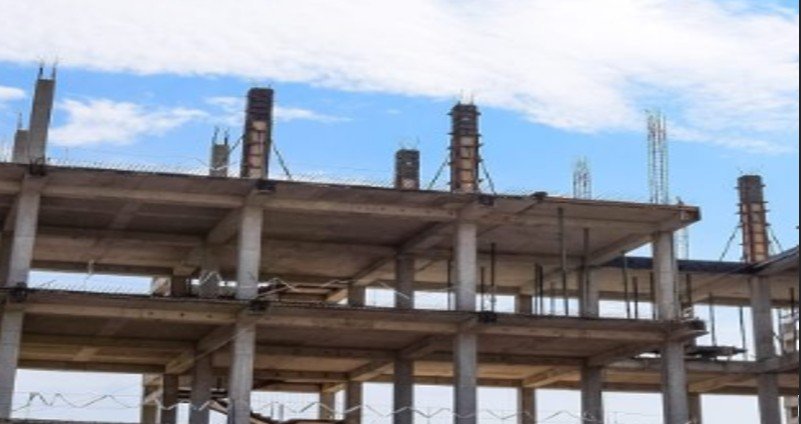
Canada’s residential construction sector is facing a growing workforce challenge as it works to meet rising housing demand, according to BuildForce Canada’s 2026–2035 Construction and Maintenance Looking Forward: An Assessment of Canada’s Residential Labour Markets report.
The outlook reinforces the need for governments to work with the industry to build a stronger, more flexible workforce capable of meeting Canada’s housing supply targets.
The report’s findings highlight the scale of the workforce challenge facing the residential construction sector. Although residential construction employment rose slightly by 2 per cent in 2025, approximately 21 per cent of the workforce, or 135,000 residential construction workers, is projected to retire by 2035, leaving the sector without decades of experience.
The federal government has stated that Canada must build approximately 480,000 homes per year over the next decade to close the housing supply gap and help restore affordability, nearly double the number of starts the country builds now.
“The industry cannot double housing output without a strong economic and policy environment conducive to allowing Canadians to enter the housing market, and without a sufficient supply of workers to build and renovate homes. BuildForce Canada’s outlook underscores the importance of taking a long-term, coordinated approach to workforce development to ensure the industry has the capacity to respond to housing demand fluctuations,” said Frank Lohmann, interim CEO of the Canadian Home Builders’ Association (CHBA).
CHBA continues to call on the federal government to take a comprehensive approach to addressing the challenges facing the residential construction workforce. This includes supporting a coordinated, industry-led approach that aligns workforce development with the real needs of the sector.
CHBA recommends that the federal government take action to attract more youth, women, Indigenous Peoples, newcomers, and underrepresented groups to the residential construction industry, especially in on-site roles. It also emphasizes the need to recognize and support pathways outside of traditional apprenticeship, which, while important for some residential construction roles, do not adequately support a wide range of occupations in the sector. Expanding access to competency-based training, alternative work-integrated learning opportunities, and other flexible pathways will help more people enter the industry and develop their skills over time while meeting industry needs.
CHBA also maintains that Canada’s immigration system must be updated to better reflect the workforce realities and requirements of the residential construction industry. CHBA continues to call for enhanced category-based selection under Express Entry to support the specific labour needs of residential construction, including bringing in workers in TEERs 4 and 5 occupations such as installers, general labourers, and factory-built construction workers.
To increase housing output and reduce pressure on the residential construction workforce, CHBA says more must be done to support greater industry adoption of factory-built methods, including modular and panelized construction, which offer opportunities to boost productivity.
As a result, CHBA continues to call on the federal government to implement recommendations from its Sector Transition Strategy, including offering strategic financing to de-risk investments in modular factories, introducing investment tax credits to accelerate innovation, addressing regulatory barriers, and more.