Over 10,000 Killed or Disappeared During IPKF Period in Sri Lanka
16-May-2026.
More than 10,000 people were killed or forcibly disappeared during the late 1980s when the Indian Peace Keeping Force (IPKF) was stationed in Sri Lanka. This is not merely a statistic, but a record of human lives erased. The majority of those affected were Tamil men, according to a report released by the International Truth and Justice Project (ITJP).
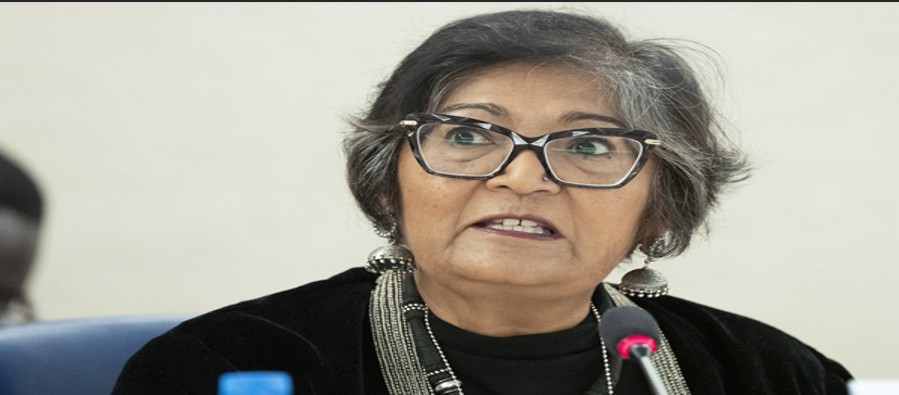
“Thirty years have passed. The question is no longer what happened. The real question is why no one has been held accountable, and how long impunity will be allowed to continue,” said Yasmin Sooka.
The report notes that the identities of over 10,000 individuals who were killed or disappeared during the IPKF presence have been traced. It highlights that the violence occurred before the digital era, and full details of many victims were never properly recorded or officially documented, leaving them effectively erased from history.
Yasmin Sooka, Executive Director of ITJP, stated that the organisation’s work focuses on recovering these deliberately erased identities with dignity.
The IPKF was deployed to Sri Lanka in October 1987 under a bilateral agreement with the Sri Lankan government, with the mandate of disarming Tamil militant groups in the Northern and Eastern provinces. The force remained until March 1990. During this period, while the Sri Lankan military was largely confined to its camps, credible allegations emerged that the Indian forces and their allied groups were involved in widespread and systematic abuses, including massacres, killings, extrajudicial executions, and enforced disappearances.
Although not all individuals listed in the database were necessarily victims of the Indian forces alone, the data reflects a broader pattern of grave violence committed by multiple parties, including the IPKF, allied groups, and Tamil armed organisations. The impact on civilians and the absence of accountability remain undeniable.
The verified database has been compiled from sworn testimonies collected at the time, reports from non-governmental organisations, direct information from family members, and other documented sources. It has been developed in line with international human rights documentation standards. The database also enables searches by location, gender, time period, and ethnicity.
“This is a living archive. Families are at the heart of this initiative, not merely as witnesses, but as guardians of the truth,” said Michelle Dukić of the Human Rights Data Analysis Group, who served as an advisor to the project.
Reiterating her earlier remarks, Yasmin Sooka said the central issue remains the continued failure to hold anyone accountable for these crimes.